
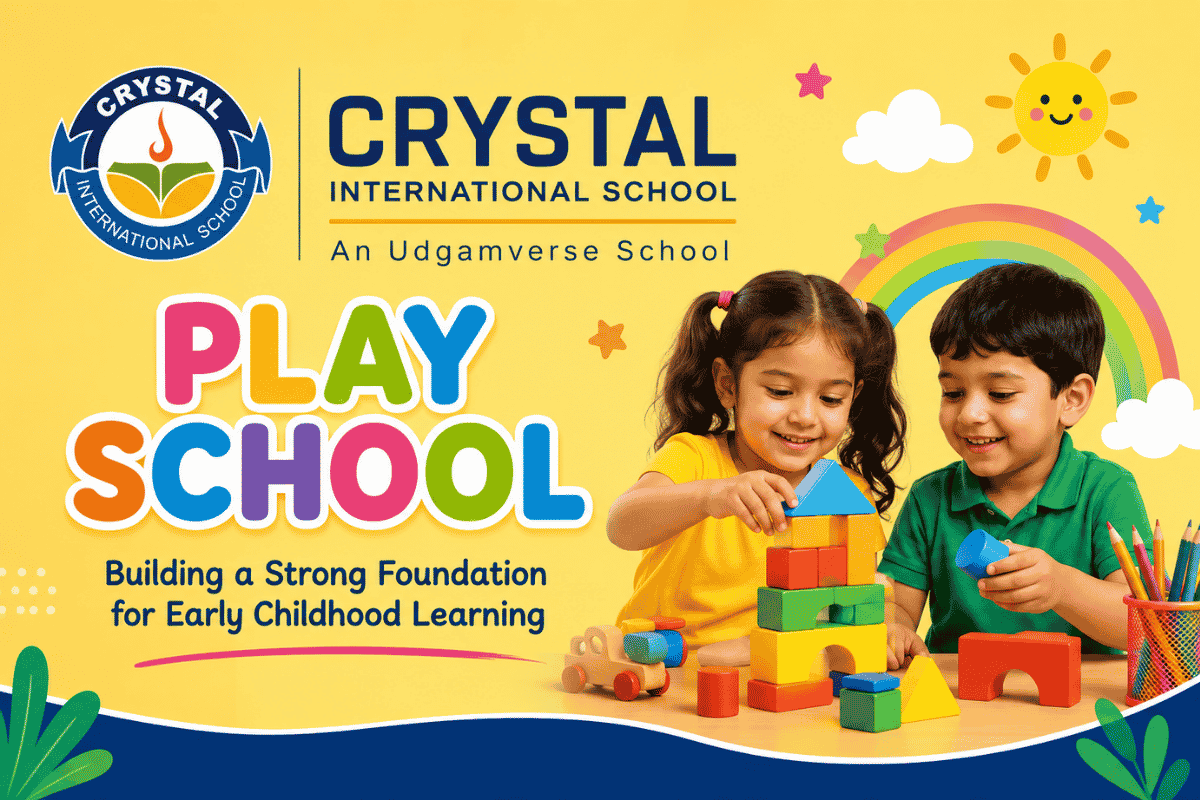
The early years of education shape a child’s ability to learn, communicate, and adapt to the world around them. During this stage, children develop emotional confidence, social awareness, and essential cognitive skills that influence future academic success. Parents often look for an environment that encourages curiosity while also maintaining a structured approach to learning. Choosing the right play school in Mahisagar can support balanced development and create positive learning experiences from an early age.
Why Early Childhood Education Matters
Children absorb information rapidly during their formative years. A well-designed learning environment helps them understand routines, language, teamwork, and problem-solving. At this stage, education is not limited to textbooks. It includes interaction, creativity, and guided activities that strengthen communication skills.
Early learning programs also help children become comfortable in social settings. They learn how to share, cooperate, and express emotions appropriately. Such experiences build confidence and improve adaptability when transitioning to higher levels of education.
Some key benefits of structured early education include:
- Improved language and communication skills
- Better social interaction with peers
- Development of motor and sensory abilities
- Increased creativity and imagination
- Enhanced emotional confidence
Essential Features Parents Should Look For
Selecting the right nursery school in Mahisagar involves evaluating several important factors beyond academics. A supportive environment should encourage both learning and emotional well-being.
Important aspects to consider
| Feature | Importance |
| Safe Infrastructure | Ensures children can learn and play securely |
| Interactive Learning | Encourages curiosity through activities |
| Qualified Teachers | Supports guided and age-appropriate development |
| Balanced Curriculum | Combines academics with creativity |
| Communication With Parents | Helps maintain consistent progress tracking |
Parents should also observe how educators interact with children. Positive communication and patience contribute significantly to a child’s comfort and confidence.
The Role of Activities in Child Development
Young learners understand concepts more effectively through activities rather than traditional instruction alone. Creative sessions, storytelling, music, and games make learning engaging and enjoyable.
Activity-based learning improves attention span and strengthens memory retention. It also allows children to develop practical life skills naturally. Group activities encourage teamwork, while artistic exercises enhance imagination and self-expression.
Common developmental activities include:
- Storytelling and reading sessions
- Drawing and craft activities
- Music and rhythm exercises
- Outdoor play and physical movement
- Puzzle-solving and memory games
These experiences support emotional balance while helping children discover personal interests and strengths.
Creating a Comfortable Learning Environment
Parents often search online for a play school near me because convenience and accessibility play an important role in daily routines. However, location should be considered alongside the overall environment and learning approach.
A positive atmosphere encourages children to participate actively and feel secure during their early learning journey. Bright classrooms, organized play areas, and supportive teachers contribute to a welcoming experience.
A child-friendly environment generally includes:
- Clean and hygienic classrooms
- Age-appropriate learning materials
- Safe indoor and outdoor play zones
- Encouraging teacher-student interaction
- Structured yet flexible schedules
When children feel emotionally safe, they become more willing to explore new ideas and interact confidently with others.
Building Lifelong Learning Habits
Early education lays the groundwork for habits that continue throughout life. Consistent routines, guided learning, and exposure to collaborative activities help children develop discipline and responsibility from a young age.
Children who experience supportive early education are often more prepared for future academic challenges. They tend to communicate more effectively, adapt better to classroom settings, and participate actively in group environments.
Parents and educators both contribute to this process by encouraging curiosity and celebrating small achievements. Positive reinforcement motivates children to remain enthusiastic about learning and self-improvement.
Conclusion
A strong early education environment helps children develop confidence, creativity, and essential life skills that support long-term growth. Choosing the right play school in Lunawada involves considering safety, teaching methods, emotional support, and overall learning opportunities. Institutions such as Crystal School contribute to building a positive educational foundation where children can grow academically, socially, and emotionally in a balanced environment.
FAQs
What is the ideal age for enrolling a child in preschool?
Most children begin preschool between the ages of two and four years, depending on their emotional readiness and developmental needs.
Why are play-based activities important in early education?
Play-based activities improve creativity, communication, social interaction, and problem-solving abilities while making learning enjoyable.
How can parents support learning at home?
Parents can encourage reading, storytelling, creative activities, and consistent routines to reinforce classroom learning.
What qualities should parents look for in teachers?
Parents should look for patience, communication skills, experience with young learners, and the ability to create a nurturing environment.



No comment