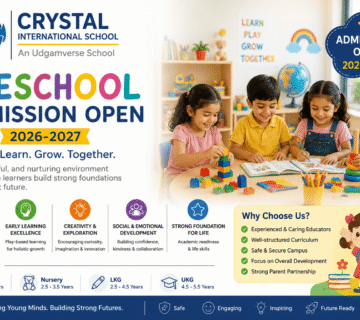

Early childhood education marks the beginning of a child’s formal learning journey, making admission decisions both significant and sensitive for families. Clarity around age requirements, documentation, and timelines helps parents approach the process with confidence rather than uncertainty. For many families exploring preschool admission in mahisagar, understanding how institutions structure entry criteria and schedules is essential to planning a smooth transition into early learning.
Understanding Age Criteria in Early Education
Age eligibility forms the foundation of preschool entry. Institutions typically define age brackets to ensure children are developmentally ready for structured group environments.
These criteria are designed around cognitive, emotional, and physical readiness rather than academic capability. Clear age guidelines help maintain balanced classrooms where children progress together through shared developmental milestones.
Parents are advised to verify cut-off dates carefully, as even small differences in age eligibility can affect placement and readiness.
Why Age Alignment Matters
Age alignment supports social comfort and learning effectiveness. Children who meet the expected age range often adapt more easily to routines, peer interaction, and guided activities.
Proper alignment reduces stress for both children and educators, creating a supportive environment where exploration and learning unfold naturally.
Documentation Required for Preschool Entry
Documentation ensures transparency and compliance with institutional and regulatory standards. While requirements vary slightly, most early learning centres request proof of age, identity, and residence.
Commonly required documents include birth certificates, address verification, and recent photographs. Some institutions may also request immunisation records or health information to support child wellbeing.
Organising documents early prevents delays and allows families to focus on selecting the right learning environment rather than managing last-minute formalities.
Importance of Accurate Records
Accurate documentation supports record consistency throughout a child’s educational journey. These records form the basis for future transitions and administrative continuity.
Clear documentation also enables institutions to provide appropriate care, respond to health needs, and maintain effective communication with families.
Admission Timelines and Application Windows
Admission timelines vary depending on institutional planning cycles. Many preschools open applications several months in advance to manage enrolment effectively.
Understanding these timelines helps parents avoid missed opportunities and rushed decisions. Early applications often provide greater flexibility in choosing preferred sessions or programmes.
Families exploring nursery schools in mahisagar are encouraged to enquire well ahead of the academic year to understand application windows and key dates.
Interaction and Orientation Sessions
Some preschools include interaction or orientation sessions as part of the entry process. These sessions help educators observe children in informal settings while allowing parents to understand teaching approaches.
Such interactions are not assessments but opportunities to ensure alignment between a child’s needs and the learning environment offered.
Transition Planning for Young Learners
A thoughtful admission process also considers transition support. Orientation days, phased schedules, or parent-child sessions help children adjust gradually to new routines.
These practices ease separation anxiety and promote emotional security, laying the groundwork for positive early learning experiences.
Role of Parents in the Admission Process
Parental involvement is a key component of early education entry. Clear communication, timely submission of information, and engagement during orientation contribute to a smoother transition.
When families understand expectations and routines, children benefit from consistency between home and school environments.
Regional Considerations and Local Planning
Admission processes may reflect regional educational norms and community needs. Understanding local practices supports informed decision-making.
Families considering preschool admission in lunawada mahisagar often evaluate factors such as accessibility, learning philosophy, and schedule compatibility alongside formal criteria.
Evaluating Readiness Beyond Paperwork
While age and documents establish eligibility, readiness also involves emotional maturity, communication ability, and adaptability.
Institutions that recognise these aspects create supportive entry processes that respect individual development rather than relying solely on formal thresholds.
Planning Ahead for a Confident Start
Early planning allows families to compare options thoughtfully, ask relevant questions, and prepare children emotionally for the transition.
A well-prepared admission journey reduces uncertainty and supports a confident beginning to structured learning.
Key Aspects of Preschool Admission to Understand
- Age eligibility aligned with developmental readiness
- Clear and complete documentation requirements
- Defined application timelines and cut-off dates
- Orientation and transition support for children
- Active parent involvement throughout the process
Conclusion: Laying the Groundwork for a Positive Early Learning Journey
Preschool admission is more than an administrative step; it is the starting point of a child’s relationship with learning. Understanding age criteria, documentation, and timelines helps families make informed choices while reducing stress for young learners. For parents exploring the best preschools in lunawada, clarity and preparation play a vital role in ensuring a smooth transition. Within this early education landscape, Crystal International School reflects the importance of structured, transparent admission processes that support children and families at the very beginning of their educational journey.