

Early childhood is a decisive stage in cognitive, emotional, and social development. During these formative years, structured learning environments introduce children to language, numbers, relationships, and self-expression in a guided yet nurturing manner. Enrolment in the best nursery school in mahisagar provides young learners with a secure space where curiosity is encouraged and foundational skills are carefully shaped. These initial academic experiences influence confidence, adaptability, and readiness for future education.
A thoughtfully designed early years programme supports more than literacy and numeracy. It cultivates independence, communication skills, empathy, and the ability to collaborate. Foundations built during this stage remain deeply embedded in a child’s developmental journey.
Early Cognitive Development
Brain development is most rapid in the first five years of life. Structured early learning activities stimulate neural pathways responsible for memory, reasoning, and language acquisition. Through guided storytelling, visual exploration, and sensory engagement, children begin to connect ideas and form associations.
Key developmental benefits include:
- Strengthening vocabulary through interactive storytelling
- Building numerical awareness with hands-on counting activities
- Enhancing problem-solving through puzzles and constructive tasks
- Encouraging curiosity through experiential learning
When these cognitive exercises are delivered in a structured setting, children develop analytical skills without feeling pressured.
Social and Emotional Growth
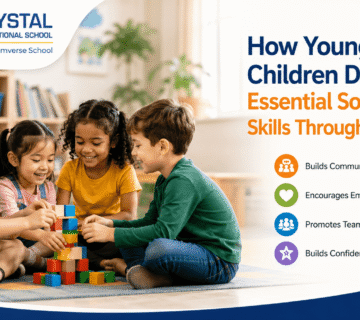
Interaction with peers introduces children to teamwork, patience, and respect for diverse perspectives. Shared activities cultivate cooperation and conflict resolution abilities. Educators guide children in recognising emotions, expressing feelings constructively, and building empathy.
Within a nurturing environment similar to a well-established play school in mahisagar, structured group engagement allows children to:
- Develop communication skills
- Practise sharing and collaboration
- Learn routines and discipline
- Build self-confidence through guided independence
Emotional resilience formed during early education supports adaptability in later academic years.
Language and Communication Skills
Language acquisition accelerates in structured early learning settings. Exposure to songs, stories, and interactive conversations expands vocabulary and comprehension. Teachers encourage articulation, helping children express thoughts clearly.
- Effective communication development often involves:
- Phonics-based sound recognition
- Story narration and role-play
- Rhythmic learning through music
- Visual storytelling aids
These activities build both expressive and receptive language skills, forming a critical academic base.
Physical Development and Motor Skills
Physical coordination improves through guided activities that strengthen fine and gross motor skills. Creative crafts, drawing, and building exercises refine hand-eye coordination. Outdoor activities enhance balance, agility, and overall health.
A comprehensive early learning programme includes:
- Structured movement sessions
- Creative art and craft exploration
- Sensory play with varied textures
- Outdoor games promoting coordination
Physical engagement complements intellectual growth, ensuring holistic development.
Encouraging Independence and Responsibility
Early education introduces routine and responsibility in manageable steps. Children learn to organise belongings, follow schedules, and complete simple tasks independently. These practices foster discipline and self-reliance.
Guided independence helps children:
- Build decision-making abilities
- Develop time awareness
- Gain confidence in daily routines
- Understand accountability
Independence cultivated early translates into stronger academic focus in subsequent years.
Creative Exploration and Imagination
Creativity enhances cognitive flexibility and innovation. Art, music, storytelling, and imaginative role-play allow children to explore ideas freely while developing structured thinking patterns.
Creative exposure often includes:
- Dramatic play and storytelling sessions
- Artistic experimentation with colours and textures
- Musical rhythm activities
- Interactive group performances
Such experiences encourage originality and confidence in self-expression.
Structured Learning and Routine
Consistency in daily routines creates a sense of security. Predictable schedules help children understand expectations and transitions between activities. Routine fosters discipline while maintaining flexibility for exploration.
Educational environments comparable to a reputed play school in lunawada focus on balancing structure with creativity. This equilibrium allows children to feel secure while remaining open to discovery.
Structured timetables support concentration, attention span, and behavioural stability all crucial for long-term academic readiness.
Parent–Educator Collaboration
Strong communication between educators and families reinforces developmental progress. When parents understand classroom objectives, they can extend learning at home. Transparent collaboration ensures consistent guidance.
Benefits of active collaboration include:
- Regular progress discussions
- Shared developmental strategies
- Early identification of learning challenges
- Consistent behavioural reinforcement
This partnership strengthens the learning ecosystem surrounding each child.
Building Lifelong Learning Habits
The habits formed during early education influence attitudes toward learning in later years. A positive first experience with structured education instils curiosity and enthusiasm rather than apprehension.
Children who engage in supportive early programmes demonstrate:
- Greater adaptability in primary grades
- Improved concentration
- Enhanced social confidence
- Stronger foundational literacy and numeracy
These attributes shape future academic performance and personal growth.
Conclusion
Early childhood education lays the groundwork for intellectual agility, emotional resilience, and social confidence. Through guided cognitive stimulation, creative exploration, and structured routines, children develop essential skills that support lifelong learning. The influence of a well-designed early education environment extends far beyond the classroom, shaping character and academic readiness for years to come.
For families seeking a structured and nurturing nursery school in mahisagar, Crystal International School provides an environment where foundational skills are cultivated with care, discipline, and holistic attention to development. Strong beginnings create confident learners prepared for every stage ahead.