
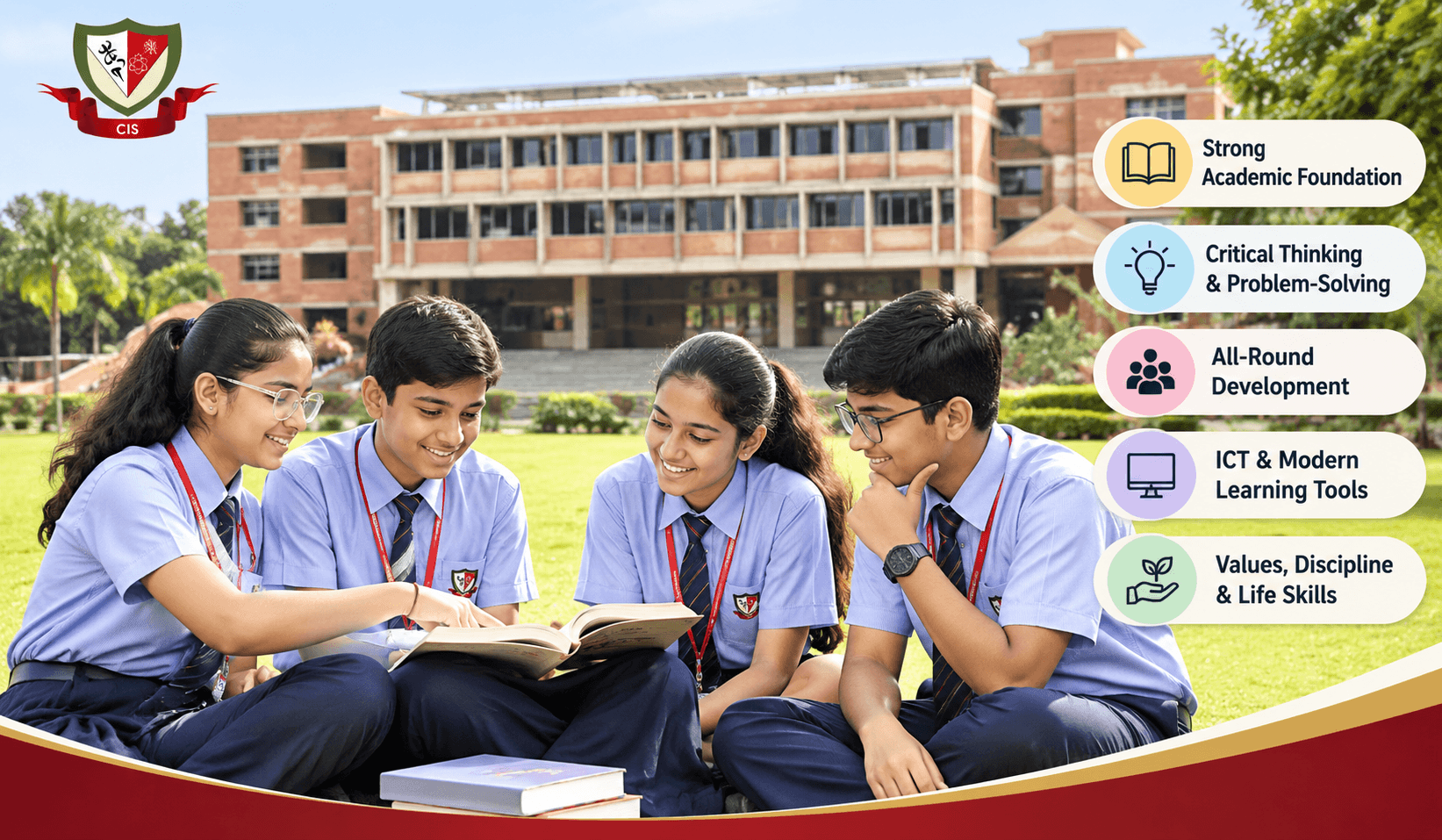
Choosing the right educational institution involves understanding what children will experience inside and outside the classroom. A quality education should build subject knowledge while encouraging curiosity, independent thinking, communication, and confidence. Parents considering a cbse school in mahisagar should therefore evaluate teaching practices, student support, facilities, and opportunities for overall development rather than relying only on examination results or reputation.
1. Strong Academic Foundations
A structured curriculum provides direction, but effective teaching determines how well students understand it. Lessons should encourage conceptual clarity instead of focusing entirely on memorisation.
Parents should look for:
- Clear explanations of fundamental concepts.
- Regular assessments to monitor progress.
- Practical examples connected to everyday life.
- Opportunities to ask questions and participate.
- Additional guidance for students who need support.
A balanced academic approach helps learners develop confidence and apply their knowledge independently.
2. Qualified Teachers and Supportive Classrooms
Teachers influence how students approach learning and respond to challenges. Experienced educators should be able to explain subjects clearly, recognise different learning needs, and create an environment where students feel comfortable participating.
Important factors include:
- Relevant qualifications and subject knowledge.
- Classroom management skills.
- Individual attention where necessary.
- Positive and constructive feedback.
- Regular communication with parents.
A supportive classroom encourages students to learn from mistakes without feeling discouraged.
3. Learning Beyond Textbooks
Education becomes more meaningful when students can connect classroom concepts with practical experiences. Science experiments, group assignments, presentations, and creative projects help develop problem-solving and collaboration.
Parents comparing the top 10 cbse schools in lunawada should examine how learning resources are used in everyday teaching.
Useful facilities and activities may include:
- Science and computer laboratories.
- Libraries with age-appropriate reading material.
- Mathematics and activity-based learning resources.
- Group projects and educational exhibitions.
- Technology-supported lessons where appropriate.
The quality of these experiences matters more than the number of facilities advertised.
4. Equal Attention to Sports and Creative Development
Academic progress is important, but children also need opportunities to develop interests beyond their regular subjects. Sports and creative activities can strengthen discipline, teamwork, confidence, and self-expression.
A balanced programme may include:
- Indoor and outdoor sports.
- Music, dance, and visual arts.
- Debates and public-speaking activities.
- Cultural events and competitions.
- Clubs focused on reading, science, or creativity.
Participation should be encouraged without placing unnecessary pressure on students.
5. Safety and Student Well-being
Children learn more effectively when they feel safe and respected. Parents should understand the institution’s arrangements for physical safety as well as emotional support.
During a campus visit, check for:
- Controlled entry and exit procedures.
- Clean classrooms and washrooms.
- Safe drinking-water facilities.
- First-aid and emergency arrangements.
- Suitable transport supervision, where applicable.
- Clear procedures for handling bullying or conflicts.
It is also useful to ask whether students can access counselling or additional support when needed.
6. A Smooth Learning Journey From Early Years
A child’s educational journey begins before formal subject-based learning. Early experiences help develop language, social interaction, curiosity, and independence.
Families evaluating a play school in mahisagar should look for age-appropriate activities, caring educators, safe surroundings, and opportunities for learning through play. These early foundations can make the transition to structured classroom education more comfortable.
7. Transparent Communication and Fee Structure
Parents should receive clear information about academic progress, school activities, attendance, and areas requiring improvement. Regular interaction with teachers helps families remain involved in their child’s development.
Before admission, clarify:
- Tuition fees and additional charges.
- Examination and activity expenses.
- Transport availability and costs.
- Parent-teacher meeting schedules.
- Admission requirements and important dates.
Understanding these details helps families make practical long-term decisions.
Frequently Asked Questions
1. What makes CBSE education effective?
A structured curriculum, qualified teachers, conceptual learning, regular assessment, and opportunities for overall development contribute to quality education.
2. Are extracurricular activities necessary?
Yes. They help students develop creativity, teamwork, discipline, and communication skills.
3. Why should parents visit the campus?
A visit helps families assess teaching facilities, safety arrangements, cleanliness, and the overall learning environment.
Conclusion
Quality education should prepare students for more than examinations. It should develop strong academic foundations, practical understanding, confidence, creativity, and responsible behaviour. Parents should compare teaching standards, student support, facilities, and communication before making their choice. Reviewing a list of cbse schools in mahisagar alongside campus visits and direct discussions with educators can help families identify an environment that supports their child’s long-term growth.



No comment