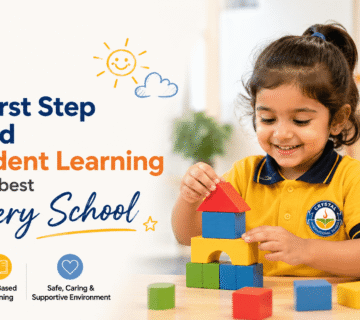

Curiosity is one of the most powerful drivers of learning in childhood. From asking questions about the world around them to exploring new ideas and experiences, young children naturally seek knowledge and understanding. Encouraging this curiosity during the early years helps build a strong foundation for lifelong learning, creativity, and problem-solving. Educational environments play an important role in supporting this process by providing opportunities for exploration and discovery. For families researching primary schools in Mahisagar, understanding the value of curiosity-driven learning can help highlight the importance of early educational experiences.
Why Curiosity Matters in Childhood Development
Curiosity motivates children to engage with their surroundings and seek answers to questions. It encourages active participation in learning rather than passive observation.
When curiosity is nurtured, children often develop:
- Stronger critical thinking skills
- Improved creativity
- Greater confidence in learning
- Better problem-solving abilities
- Increased adaptability to new situations
These qualities support both academic success and personal development throughout life. Children who feel encouraged to explore their interests are more likely to develop a positive attitude toward learning.
The Role of Schools in Encouraging Exploration
Many of the best primary schools in Mahisagar recognize the importance of creating environments where children feel comfortable asking questions and expressing ideas. Through interactive lessons and engaging activities, educators can inspire students to investigate topics more deeply.
Effective learning environments often encourage:
- Open-ended questioning
- Hands-on activities
- Collaborative projects
- Observation and experimentation
- Creative expression
By promoting exploration, schools help children develop independence and confidence in their ability to learn and discover.
How Curiosity Supports Academic Growth
Curiosity and academic achievement are closely connected. When children are interested in a topic, they are often more motivated to engage with learning activities and retain information.
Students who develop a habit of inquiry tend to:
- Participate actively in class discussions
- Seek solutions independently
- Develop stronger comprehension skills
- Show greater enthusiasm for learning
- Approach challenges with confidence
These behaviors can contribute to long-term academic growth and encourage a lifelong interest in education.
Curiosity and Skill Development
| Curiosity-Based Activity | Skill Developed |
| Asking Questions | Critical Thinking |
| Reading New Topics | Knowledge Expansion |
| Group Discussions | Communication Skills |
| Science Experiments | Problem Solving |
| Creative Projects | Innovation and Imagination |
Such experiences help children connect classroom learning with real-world understanding.
Creating a Learning Environment That Inspires Questions
Educational institutions, including many cbse schools in Mahisagar, often focus on creating learning environments that encourage inquiry and active participation. A supportive classroom atmosphere allows children to express ideas freely and explore different perspectives.
Teachers play a significant role by:
- Encouraging thoughtful questions
- Providing opportunities for exploration
- Supporting independent learning
- Valuing creativity and originality
- Guiding discussions constructively
When children feel that their questions are welcomed, they become more engaged learners and develop confidence in their abilities.
Long-Term Benefits of Nurturing Curiosity
The advantages of encouraging curiosity extend well beyond the classroom. Curiosity helps children become adaptable individuals who are willing to learn, grow, and embrace new experiences throughout life.
Some long-term benefits include:
- Lifelong love of learning
- Enhanced decision-making skills
- Greater resilience when facing challenges
- Stronger communication abilities
- Improved innovation and creativity
As children mature, these qualities can contribute to academic success, professional growth, and personal fulfillment. The habit of asking questions and seeking understanding remains valuable throughout every stage of life.
Frequently Asked Questions
1. Why is curiosity important in early childhood?
Curiosity encourages children to explore, learn, and develop important cognitive and social skills that support long-term growth.
2. How can schools encourage curiosity?
Schools can provide interactive lessons, hands-on activities, open discussions, and opportunities for independent exploration.
3. Does curiosity improve academic performance?
Curious learners are often more engaged in educational activities, which can support stronger understanding and knowledge retention.
4. What role do teachers play in nurturing curiosity?
Teachers create supportive environments, encourage questions, and guide students toward discovering answers through exploration and learning.
5. How can parents support curiosity at home?
Parents can encourage discussions, answer questions thoughtfully, provide learning opportunities, and create an environment that values exploration.
Conclusion
Nurturing curiosity during the early years is essential for helping children develop critical thinking, creativity, confidence, and a lifelong passion for learning. By encouraging exploration and inquiry, educational environments can support both academic and personal development. These experiences help children become active learners who are prepared to adapt and thrive in a changing world. For families evaluating options among the top 10 cbse schools in Mahisagar, understanding how schools foster curiosity can be an important consideration. Institutions such as Crystalschool contribute to the broader goal of supporting meaningful learning experiences that inspire growth and discovery.