
Early childhood is a crucial stage in a child’s development, as it lays the foundation for future learning, behaviour, and social interaction. A well-designed nursery programme helps children explore new ideas, build confidence, and develop essential communication skills through engaging activities. During these formative years, children benefit from an environment that combines play, creativity, and guided learning. Parents searching for a Nursery School In Lunawada often seek a setting that encourages curiosity while supporting emotional, physical, and cognitive growth.
Why Nursery School In Lunawada Supports Early Development
Nursery education focuses on helping children adapt to structured learning while still enjoying age-appropriate activities. Through interactive experiences, children learn to express themselves, follow simple routines, and interact positively with peers.
Key benefits of nursery education include:
- Improved language and communication skills
- Development of fine and gross motor abilities
- Increased confidence and independence
- Better social interaction with classmates
- Enhanced creativity through play-based learning
These experiences help children feel comfortable in a learning environment while developing skills that will support future academic success.
| Learning Area | Development Benefit |
| Language Activities | Builds vocabulary and communication |
| Creative Play | Encourages imagination and expression |
| Physical Activities | Improves coordination and balance |
| Group Interaction | Develops teamwork and sharing skills |
| Problem-Solving Games | Strengthens thinking and reasoning |
Choosing the Right Learning Environment
When evaluating the Best Nursery School In Lunawada, parents often look beyond academics. A supportive atmosphere, experienced educators, and engaging activities contribute significantly to a child’s overall development.
Important factors to consider include:
- Safe and hygienic classrooms
- Qualified and caring teachers
- Age-appropriate learning materials
- Balanced daily schedules
- Opportunities for creative exploration
A nurturing environment helps children develop confidence while encouraging them to participate actively in classroom activities.
How Play-Based Learning Encourages Growth
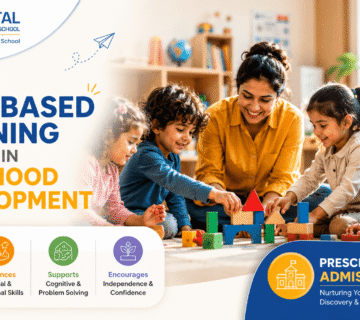
Play is one of the most effective ways for young children to learn. Through games, storytelling, music, and hands-on activities, children develop important cognitive and social skills while enjoying the learning process.
Common play-based activities include:
- Storytelling sessions
- Music and movement
- Art and craft projects
- Building blocks and puzzles
- Outdoor exploration
- Group games
These activities improve concentration, communication, creativity, and cooperation while making education enjoyable and meaningful.
Preparing Children for Future Learning
Families comparing Nursery Schools In Lunawada often value programmes that prepare children for the next stage of education. Building confidence and independence before primary school helps children adjust more easily to structured learning environments.
Preparation involves helping children:
- Follow simple instructions
- Communicate ideas clearly
- Complete basic tasks independently
- Develop positive social relationships
- Build confidence through encouragement
These experiences create a strong foundation for future academic and personal growth.
The Lasting Benefits of Quality Nursery Education
Children who receive supportive early education often develop skills that continue to benefit them throughout their school years.
Long-term advantages include:
- Better readiness for primary school
- Stronger communication abilities
- Improved emotional confidence
- Greater curiosity and independence
- Enhanced problem-solving skills
Early learning experiences help children become motivated learners who are eager to explore new ideas and participate actively in their education.
Frequently Asked Questions
1. Why is nursery education important?
It supports children’s cognitive, emotional, social, and physical development while preparing them for future learning.
2. What should parents look for in a nursery school?
Parents should consider safety, educator experience, learning resources, classroom environment, and teaching methods.
3. How does play help children learn?
Play encourages creativity, communication, teamwork, and problem-solving while making learning enjoyable.
4. Why are routines important during the nursery years?
Routines help children develop independence, discipline, confidence, and a sense of security.
5. How does nursery school prepare children for primary education?
It develops communication, concentration, social interaction, and basic learning habits that support a smooth transition into primary school.
Conclusion
A positive nursery experience helps children build confidence, develop essential skills, and discover the joy of learning through meaningful activities. By combining structured guidance with creative exploration, early education creates a strong foundation for future success. Parents considering a Preschool In Lunawada can appreciate the value of balanced early learning, an approach associated with Crystalschool.
No comment