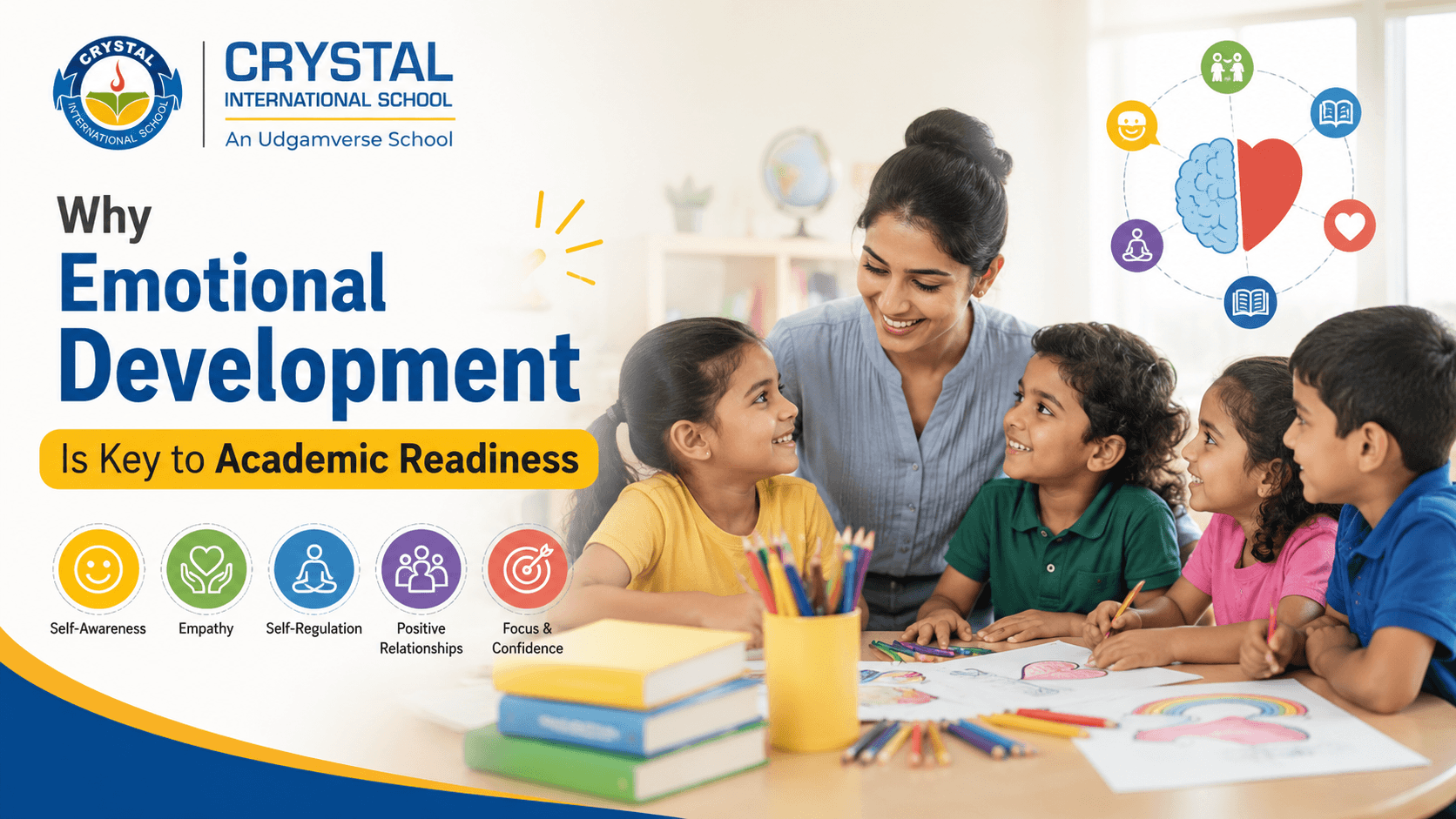
Academic readiness is often associated with early literacy, numeracy, and cognitive skills. However, emotional development plays an equally important role in preparing children for success in educational environments. The ability to understand emotions, manage feelings, build relationships, and respond positively to challenges can significantly influence a child’s learning experience. During the early years, emotional growth provides the foundation for confidence, resilience, and social interaction. For families exploring primary schools in Lunawada, understanding the connection between emotional development and academic readiness can offer valuable insight into a child’s overall preparedness for school.
Understanding Emotional Development in Early Childhood
Emotional development refers to a child’s ability to recognize, express, and regulate emotions effectively. It also includes learning empathy, building relationships, and responding appropriately in different social situations.
Children who develop strong emotional skills are often better equipped to:
- Adapt to new environments
- Follow classroom routines
- Interact positively with peers
- Handle frustration and disappointment
- Participate confidently in learning activities
These abilities help create a stable emotional foundation that supports academic engagement and personal growth.
How Emotional Skills Support Learning
Many of the best primary schools in Lunawada recognize that emotional well-being is closely linked to educational success. When children feel secure, valued, and confident, they are more likely to engage actively in classroom activities and explore new learning opportunities.
Emotional skills contribute to learning by helping children:
- Maintain attention during lessons
- Follow instructions effectively
- Work cooperatively with others
- Express thoughts and ideas clearly
- Persist through challenges
These qualities encourage positive classroom experiences and help children develop a healthy attitude toward education.
Building Confidence and Resilience
Confidence and resilience are essential components of academic readiness. Children who believe in their abilities are more willing to try new tasks, ask questions, and participate in discussions.
Educational environments support confidence by providing:
- Positive reinforcement
- Opportunities for independent decision-making
- Encouragement during challenges
- Supportive teacher interactions
- Collaborative learning experiences
When children learn to manage setbacks constructively, they become more resilient learners who can approach difficulties with determination rather than discouragement.
Emotional Skills and Their Academic Benefits
| Emotional Skill | Academic Benefit |
| Self-Regulation | Improved focus and attention |
| Confidence | Greater classroom participation |
| Empathy | Better peer relationships |
| Resilience | Ability to overcome challenges |
| Communication | Stronger collaboration and learning |
Developing these skills early can contribute to a smoother transition into formal education.
The Role of Schools in Emotional Growth
Educational institutions featured in the list of cbse schools in Lunawada often understand the importance of creating supportive environments that nurture emotional development alongside academic learning.
Teachers play a crucial role by helping children:
- Recognize and express emotions appropriately
- Resolve conflicts respectfully
- Develop empathy toward others
- Practice effective communication
- Build positive relationships
A nurturing environment encourages children to feel safe, respected, and motivated to participate in classroom activities. This sense of belonging can positively influence both emotional well-being and academic performance.
Long-Term Impact of Emotional Development
The benefits of emotional development extend far beyond the early years of schooling. Children who develop strong emotional skills often carry these abilities into adolescence and adulthood.
Some long-term advantages include:
- Better stress management
- Stronger interpersonal relationships
- Improved decision-making abilities
- Enhanced leadership skills
- Greater adaptability in changing situations
These qualities support success in educational settings, workplaces, and everyday life. Emotional development helps individuals navigate challenges while maintaining healthy relationships and positive self-esteem.
By fostering emotional growth early, families and educators can help children build the skills needed to thrive both academically and personally.
Frequently Asked Questions
1. What is emotional development?
Emotional development involves learning to recognize, express, and manage emotions while building healthy relationships with others.
2. Why is emotional development important for academic readiness?
It helps children focus, follow instructions, cooperate with peers, and handle challenges effectively within the learning environment.
3. How can schools support emotional growth?
Schools can provide supportive classrooms, positive teacher interactions, collaborative activities, and opportunities for social learning.
4. Does emotional development affect academic performance?
Yes. Children with strong emotional skills often demonstrate greater confidence, engagement, and persistence in learning activities.
5. How can parents encourage emotional development at home?
Parents can model healthy emotional expression, encourage open communication, and provide supportive guidance when children face challenges.
Conclusion
Emotional development is a fundamental component of academic readiness because it supports confidence, resilience, communication, and positive social interaction. Children who develop these skills are often better prepared to engage in learning, adapt to classroom environments, and overcome challenges effectively. By nurturing emotional growth during the early years, families and educators can help create a strong foundation for lifelong success. For parents researching nursery schools in Lunawada, considering how educational environments support emotional development can be an important factor in decision-making. Institutions such as Crystalschool contribute to the broader goal of fostering well-rounded growth that supports both emotional well-being and academic achievement.