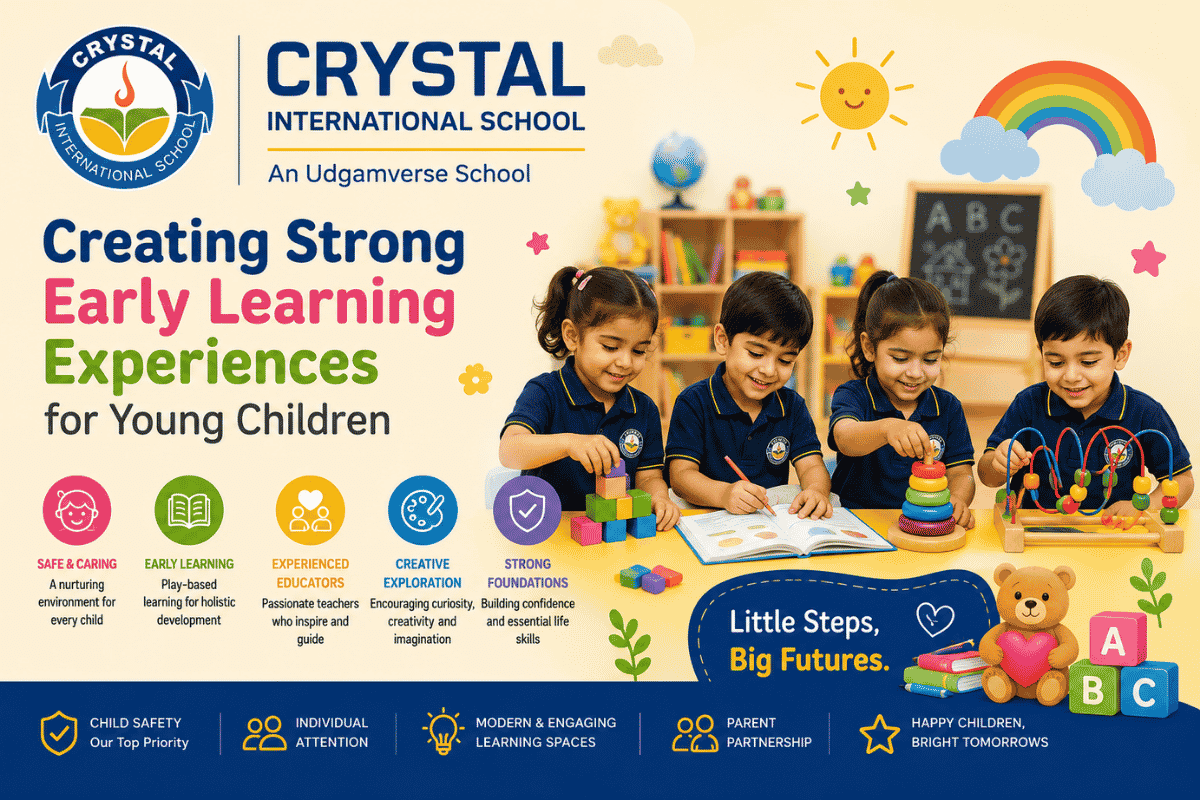
Early childhood education plays a vital role in shaping a child’s confidence, communication skills, creativity, and social development. The first learning experiences often influence how children interact with others, adapt to structured environments, and approach future education. As parents increasingly recognize the importance of quality early learning, many families search for the best nursery school in Mahisagar to provide children with a supportive and engaging educational foundation.
Modern nursery education goes beyond basic classroom instruction. It focuses on creating a nurturing environment where children can explore, interact, and develop essential life skills through activity-based and child-centered learning methods.
Why Early Childhood Education Is Important
The early years of learning are critical for emotional, cognitive, and social growth. Nursery education introduces children to structured learning environments while encouraging curiosity and creativity through interactive experiences.
Some important benefits of early childhood education include:
- Development of communication skills
- Improved social interaction with peers
- Better emotional understanding
- Increased confidence and independence
- Introduction to structured learning habits
Parents evaluating nursery schools in Mahisagar often look for institutions that support balanced development while creating positive and enjoyable learning experiences for young learners.
Key Factors Parents Consider While Selecting a Nursery School
Choosing the right learning environment for children is one of the most important decisions families make during the early years of education. Parents usually evaluate multiple aspects before selecting a nursery school.
The table below highlights common factors considered during school selection:
| Factor | Importance |
| Safe Learning Environment | Helps children feel secure and comfortable |
| Experienced Educators | Supports effective learning and guidance |
| Interactive Activities | Improves comfort and engagement |
| Emotional Support | Encourages participation and creativity |
| Child-Friendly Infrastructure | Builds confidence and communication skills |
A positive educational environment helps children adapt more comfortably while encouraging curiosity, participation, and independent thinking.
The Role of Activity-Based Learning in Early Education
Young children learn best through activities, exploration, and interaction. Activity-based learning methods encourage children to participate actively instead of relying only on traditional teaching approaches.
Important benefits of activity-based learning include:
- Better concentration and engagement
- Enhanced communication abilities
- Development of teamwork skills
- Improved creativity and imagination
- Increased confidence in classroom participation
Interactive learning experiences make education enjoyable while helping children build foundational skills needed for future academic growth.
Why Social and Emotional Development Matters
Social and emotional development are essential aspects of early childhood education. Children who learn to communicate, express emotions, and interact positively with others often adapt more successfully to structured educational environments.
A well-structured play school in Mahisagar typically focuses on creating emotionally supportive environments where children feel encouraged to explore, communicate, and participate confidently in daily activities.
Additional benefits of emotionally supportive learning environments include:
- Stronger peer relationships
- Better classroom participation
- Improved adaptability to routines
- Increased self-confidence
- Positive learning experiences
Modern early education increasingly emphasizes emotional well-being alongside intellectual and creative development.
Emerging Trends in Nursery Education
Preschool and nursery education continue to evolve with changing educational expectations and parenting approaches. Schools are adopting modern methods designed to make learning more engaging and child-friendly.
Some important trends shaping nursery education include:
- Experiential and hands-on learning methods
- Creative classroom activities
- Focus on communication development
- Interactive storytelling and play-based learning
- Child-centered educational approaches
These evolving practices aim to support balanced growth by encouraging creativity, curiosity, and emotional development from an early age.
Conclusion
Early childhood education plays an essential role in helping children build confidence, communication abilities, creativity, and social understanding during their formative years. A supportive and engaging learning environment can positively influence how children approach future education and personal growth. Institutions like Crystal School contribute to this evolving educational landscape by focusing on balanced early learning experiences designed to encourage curiosity, participation, and overall child development.